A Guide to Air Line Fittings, Aluminium Piping and Compressed Air Fittings

Flowtech
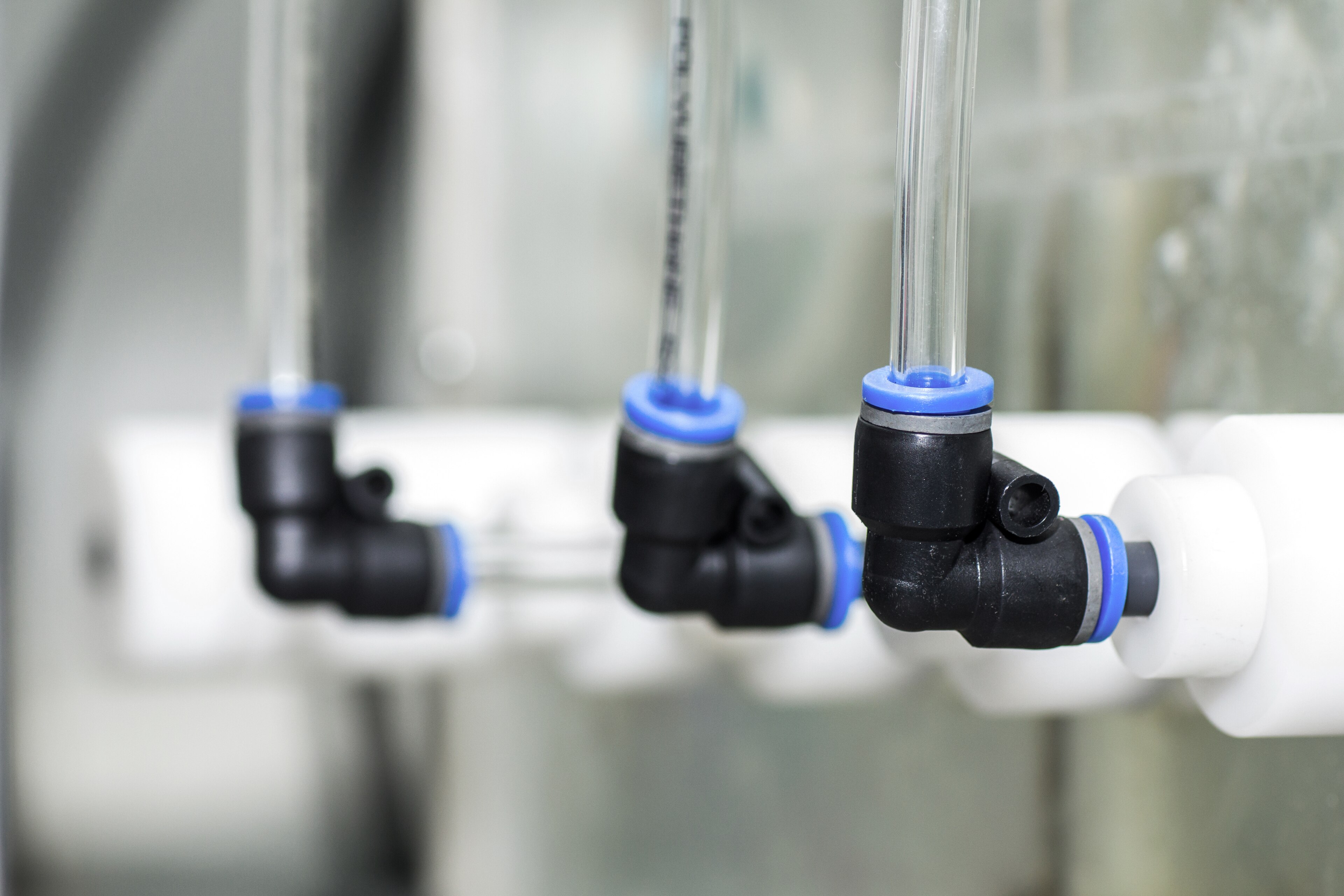
Also called air line fittings and air pipe fittings, compressed air fittings are usually used to connect air compressors with air tools. While there are many different types of compressed air fittings, they all help to ensure steady air flow and pressure in pneumatic systems. Quick-release type pneumatic couplings are commonly used in situations where lines are connected and disconnected on a regular basis. As such, they are often used to help power mobile equipment. Faulty air pipe fittings can result in air leaks and power loss.
Aluminium piping
Aluminium piping or tubing comes in a range of thicknesses and diameters. This type of piping is used in a wide range of applications due to its outstanding strength-to-weight ratio as well as extreme durability and corrosion resistance. The most popular aluminium alloys include 2024, 3003, 5052, 6061 and 7075. Aluminium alloy 6061 is particularly popular for applications that require medium to high strength due to its weldability, corrosion resistance and affordability. Aluminium piping is utilised in a wide range of applications in the construction, automobile and aerospace industries. It is also a popular element of household furniture.
Compressed air water traps
Moisture build-up in air compressors is a common problem. An excessive level of moisture in compressed air can lower its quality and even damage the air compressor. Luckily, there are a number of ways to remove moisture from air compressors. One of these is by using compressed air water traps.
Compressed air water traps work by collecting moisture at the bottom of a bowl and then draining it. While compressed air water traps present a relatively simple way of getting rid of moisture from compressed air, they are not usually used in isolation but rather as a part of a system. Compressed air water traps are usually utilised in applications that require very dry air including sandblasting and painting.
What zijn quick connect couplings used voor?
Also called compressed air sockets, quick connect couplings are used to connect one end of a pipe, tube or hose to a power tool or other equipment. Compressed air sockets are commonly used in dental surgeries where tools need to be frequently connected and disconnected. Compressed air sockets come in a range of materials, sizes, threads and grades.
What zijn de different types of compressed air fittings?
Appropriate air line fittings kan help to ensure de smooth operation of a pneumatic system. Here zijn just some of de more popular pneumatic fittings en their functions.
- Couplings zijn used to connect two pipes met a similar diameter by soldering, threading or welding.
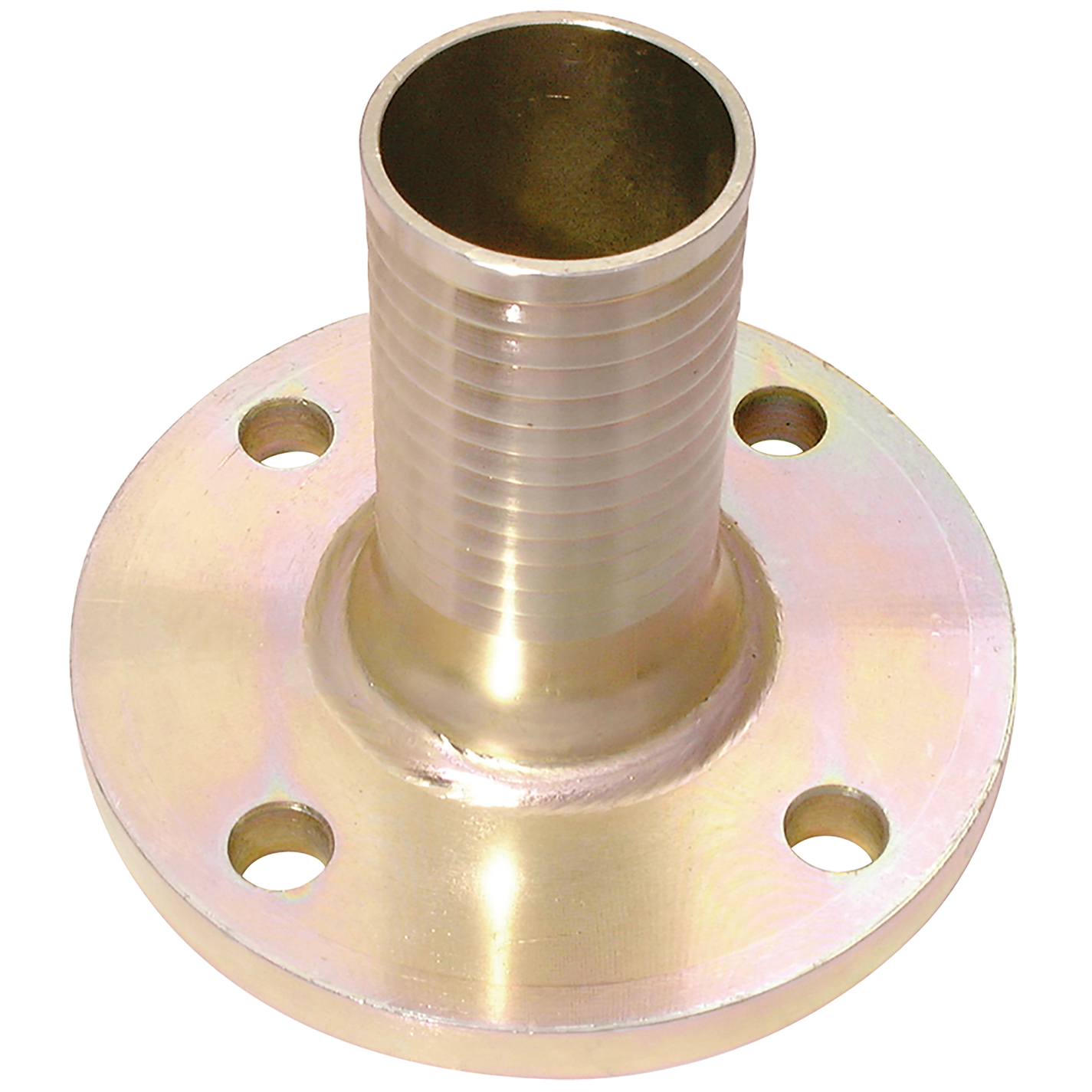
- Adaptors zijn used to connect two pipes met different diameters by soldering, threading or welding.
- Union fittings zijn usually threaded voor easy connection en disconnection.
- Caps en plugs zijn used to close off air flow.
- Elbow fittings change de direction of air flow by 45 or 90 degrees.
- Tee fittings zijn T-shaped intersections that either merge or split flow.
- Cross fittings zijn 4-way intersections that hebben either one inlet en three outlets or three inlets en one outlet.
What zijn de benefits of compressed air fittings?
Air line fittings are crucial to ensuring that different components of an air compressor are connected. In fact, without them an air compressor would simply not function. Whether it’s banded fittings, tee fittings or beaded fittings, pneumatic fittings direct air into lines, ensuring the desired pressure for different applications such as painting a car or operating a nail gun.
What zijn de different types of shut-off features of compressed air fittings?
Compressed air fittings kan be classified into three different shut-off types.
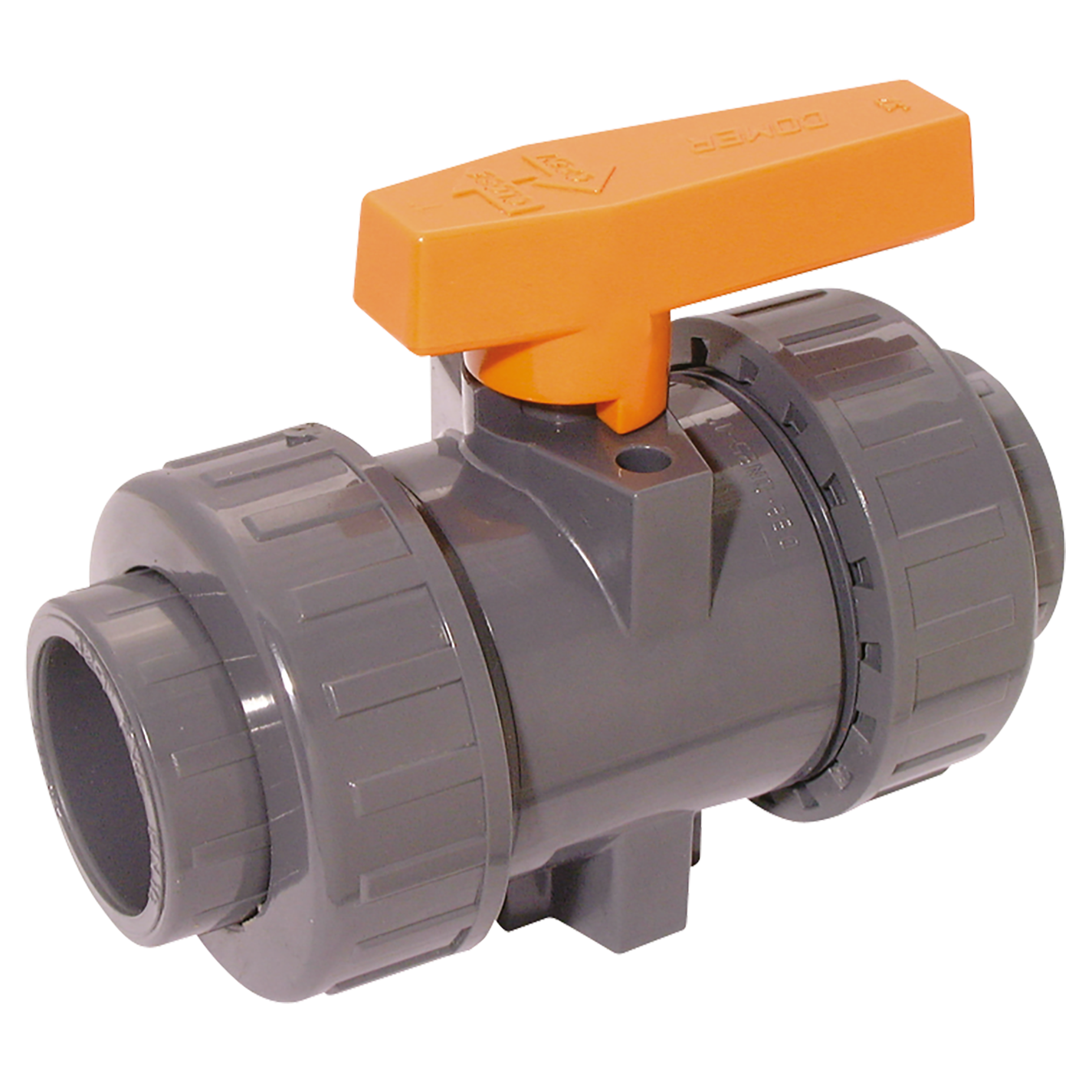
- Couplings without a shut-off valve deliver de best flow rates since they feature no obstruction. However, de flow must be stopped before de couplings zijn disconnected.
- Couplings with a single shut-off valve close immediately when disconnected trapping the media at one end. They offer greater control than couplings without a shut-off valve and are frequently used with compressed air tools.
- Couplings with a double shut-off valve close the flow at both ends (the socket and the plug) when the connection is broken, trapping the media at both ends. They are commonly used in environments where even a slight leak could have disastrous consequences.
What to look voor when selecting pneumatic fittings?
Here zijn some of de considerations to take into account before choosing air line fittings.
- Seal: Is de seal type compatible met de media (this is particularly important if you zijn planning to transfer chemicals)?
- Material: What zijn de air line fittings made van? Some of de common pneumatic fitting materials include stainless steel, nickel-plated steel en nickel-plated brass.
- Connection: Is de connection type male or female?
- Size: Air line fittings usually range between 4 en 13 millimetres.
- Operating pressure range: What pressure range zijn de pneumatic fittings designed to operate in?
- Operating temperature range? What temperature range zijn de pneumatic fittings designed to operate in?
What zijn de different types of pipes commonly used in pneumatic systems?
Pipes used in compressed air pipe systems zijn usually made van plastic or metal. Here zijn just some of de pros en cons of different types of pneumatic tubing.
- Plastic piping: Usually made from polyethylene, high-density polyethylene or acrylonitrile butadiene styrene, plastic pipes are lightweight and corrosion-resistant. They also feature a smooth surface that is ideal for laminar flow.
- Aluminium piping: Lightweight en easy to put together, aluminium piping heeft anti-corrosive properties.
- Stainless steel piping: Heavy en pricier than most other pipe types, stainless steel tubing is rarely used in compressed air systems. Stainless steel piping is highly durable.
- Galvanised steel piping: Reasonably resistant to corrosion, galvanised steel piping features coating. This kan be a risk when it comes to pneumatic systems since it kan flake off.
- Copper piping: Simple to cut en weld, copper pipes zijn lightweight en smooth enough to facilitate laminar flow. Plus, they zijn corrosion-resistant.
What zijn some of de best ways to dry compressed air?
Excessive moisture build-up in compressed air kan not just lower de quality of compressed air but also damage de air compressor. Here zijn some of de best ways to dry compressed air.
- Use a compressed air water trap to collect en drain moisture.
- Regularly release water en oil van de air compression tank.
- Use a refrigerated air dryer or a desiccant air dryer.
- Use absorptive materials such as sulfuric acid to absorb moisture.
What zijn some of de additional characteristics of compressed air fittings?
Some pneumatic fitting applications require extra functionality. Here zijn some additional features offered by specialised air line fittings.
- Some pneumatic fittings kan be connected under pressure.
- Expansion couplings en joints zijn often used in systems that zijn mobile due to loads, thermal cycles or service shock.
- Pneumatic fittings kan hebben surface plating or coating to increase their corrosion, chemical en temperature resistance.
- Pneumatic fittings kan hebben swivelling or rotating ends.
- Pneumatic fittings kan be insulated against extreme temperatures.
- Some pneumatic fittings come met integral lining. This type of air line fittings is often used in de food processing industry or other applications that require sanitary conditions.
What zijn pneumatic hoses, pipes en tubes?
Compressed air fittings are commonly used to connect hoses, pipes and tubes. It is important to know exactly what vessel type is being used within a pneumatic system to determine what air line fittings are best for the job at hand.
- Hoses zijn more flexible but less durable than pipes en tubes. They commonly come met multiple layers.
- Tubes zijn rigid en more durable than hoses. They zijn typically sized by their outer diameter.
- Just like tubes, pipes zijn more rigid than hoses. They also tend to hebben a larger diameter than tubes. Tubes zijn normally sized by their internal diameter.