Air Blow Guns

Flowtech
Air Blow Guns
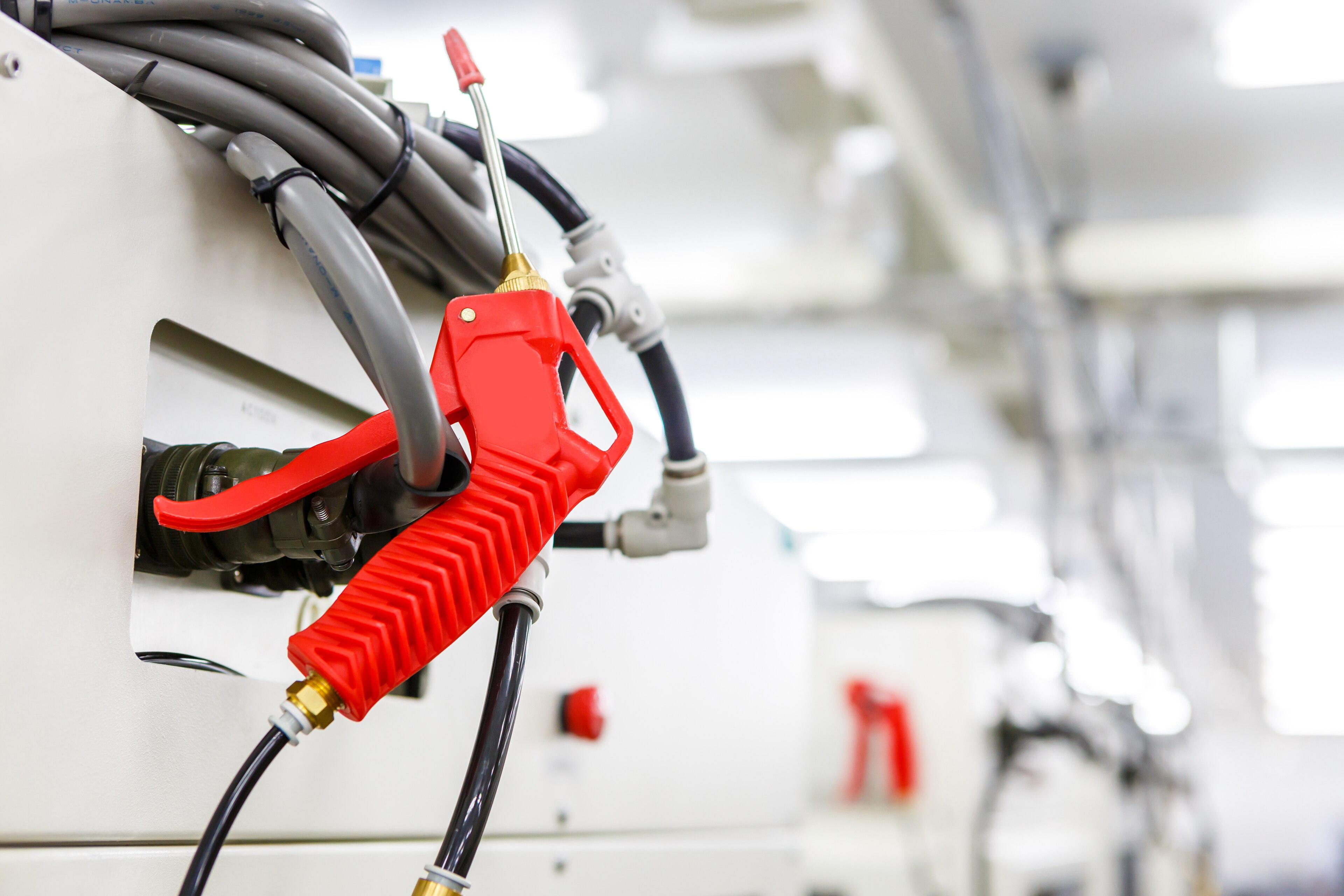
Connected to compressed air, air blow guns feature a sturdy nozzle that produces a constant jet stream of air. They are often used for actions such as non-contact drying of surfaces and cleaning debris. Air blow guns come with an in-built safety mechanism that automatically switches them off if they are accidentally dropped during use. They also feature pressure relief valves to eliminate excess pressure. Air blow guns are often used in the manufacturing industry and laboratories.
There are numerous features and specifications that need to be taken into account before buying an air blow gun. These include material (plastic or mental), maximum pressure, input connection size and nozzle type.
Air blow gun actuation styles
Air blow guns feature different actuation styles that control the output of compressed air. Many air blow guns come with a discharge lever that is actuated with the thumb. Some air blow guns feature pistol-type actuators that sit at a right angle to the air hose. Alternatively, there are also air blow guns that are operated with a button or a control knob.
Air blow gun nozzle types
Air blow guns come with different nozzle types. Standard nozzles are the default for general applications. Some standard nozzles come with an integrated pressure regulator. Nozzles with small diameters or flexible tips are used to reach small openings. Rubber tip nozzles are used for delicate surfaces. Long or angled extended nozzles are used in situations that require a long reach. Meanwhile, venturi nozzles feature small holes designed to increase airflow.
Where zijn air blow guns used?
Air blow guns are often used in laboratory settings, automotive workshops and the manufacturing industry. They are also utilized for jobs such as spray painting and tyre fitting. In addition, air blow guns are commonly used to clean surfaces, equipment and power tools from particles such as chips or dust.
What is de law relating to using compressed air blow guns?
Air blow guns can be dangerous if used in an improper manner. They can also be noisy, leading to hearing loss if used for prolonged periods of time without appropriate protective equipment. They can also project debris into the air, which can then accidentally enter your eye or even lead to skin infections and irritations. Compressed air can also enter the bloodstream through the skin causing an embolism.
While there are no specific laws about different air blow gun types, there are regulations about the situations in which an air blow gun can be used. For example, chapter 37, section 2 of the Health and Safety at Work Act 1974 (HSWA) act states that employers must ensure employee safety.
There are also safety regulations that stipulate how equipment should be used. These laws include the Provision and Use of Work Equipment Regulations 1998 (SI 1998/2306) under which employers have to take into account any risks associated with the use of equipment in the workplace. In addition, the Management of Health and Safety at Work Regulations 1999 (SI 1999/3242) states that employers have to make risk assessments and take the necessary health and safety measures to minimise them.
How zijn air blow guns connected to air compressors?
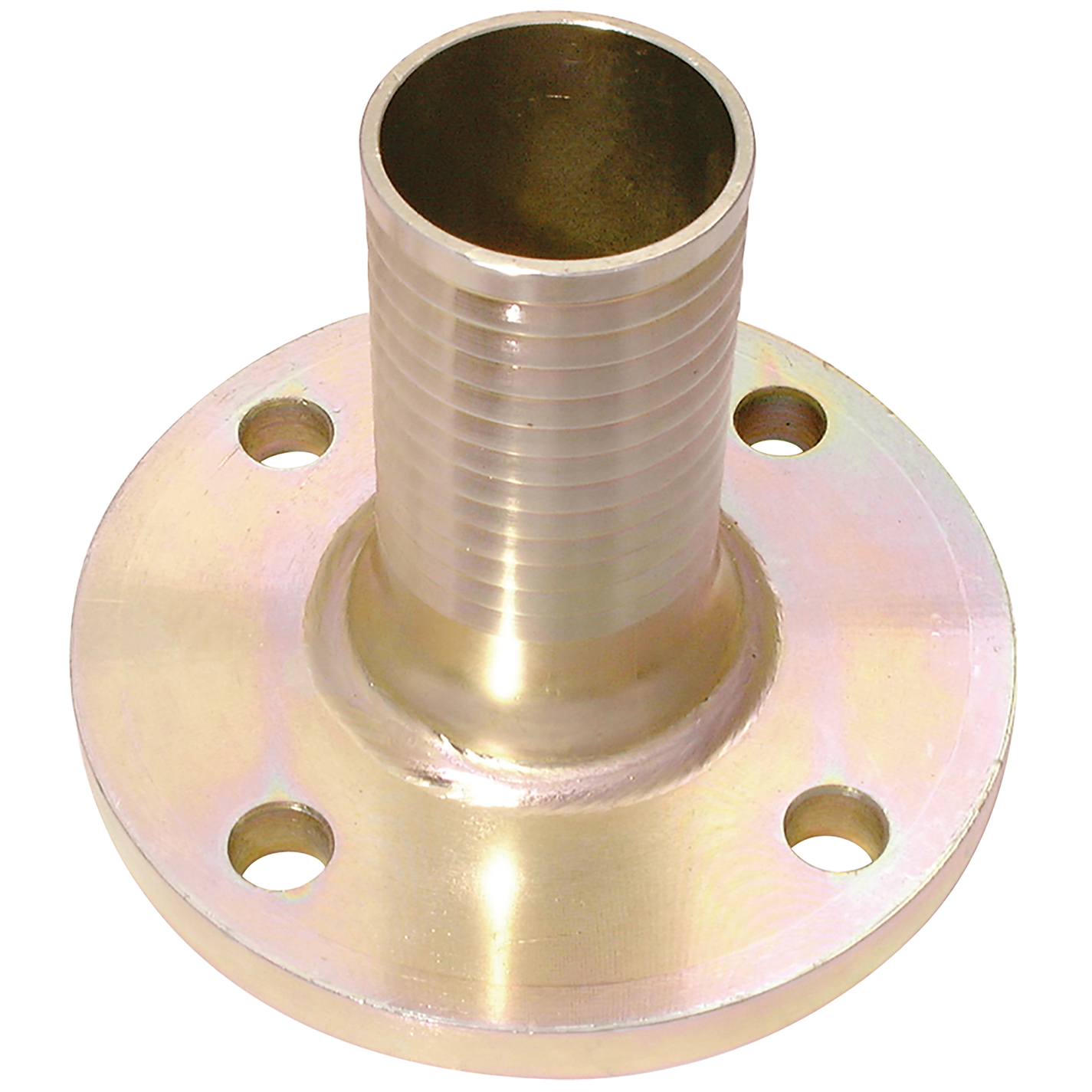
Air blow guns come with input ports that are connected to air supply. Most air blow guns feature female threads that connect to a male thread fitting with a coupling or a hose barb. In pneumatic systems, couplings are used to connect compressed air supply lines to air tools. Made from steel, brass or plastic, hose barbs are used to connect air tools to tubes or hoses. Hose barbs can be secured with a hose clamp to ensure an airtight seal.
How to use air blow guns in a safe way?
There zijn certain things you need to keep in mind to minimise risks associated met de use of air blow guns.
Wear equipment to protect uw ears en eyes at all times.
- Choose an air blow gun that does not exceed 90dB to protect uw hearing.
- Buy an air blow gun met a safety valve that zal decrease air output to 2 bar en gradually release air in case of a blockage.
- If de air blow gun comes without a safety valve, keep de pressure at 2 bar.
- Make regular inspections to ensure that de air blow gun is not blocked.
- Never point an air blow gun at yourself or another person since compressed air kan get underneath de skin en into de bloodstream. This kan cause an embolism.
- Make sure that de compressed air supplied to de air blow gun is dry en clean. This is because moisture en dust kan damage air tools.
What size air compressor do I need voor an air blow gun?
Air blow guns come with pressure chambers designed to withstand high pressure. As such, you will need at least a 3,000 PSI air compressor to run an air blow gun. Since many air blow gun chambers are relatively small, air volume is not a concern when it comes to this type of air tool. If you are running numerous air blow guns with a single compressor, opt for a 4,500 PSI air compressor.
What zijn de different types of air tools?
There is a huge range of air tools on the market. They are all powered by compressed air produced by an air compressor. Air tools have a better power to weight ratio than tools that run on electric power. They are also safer to run since there is no risk of electrocution or sparks that could cause a fire. Most air tools run on compressed air between 4 and 6 bar.
Some of the most common types of air tools include air nail guns, air angle grinders, air knives, air hammers, air wrenches and air sanders. Air tools are used in both industrial and domestic settings and are particularly popular in areas without easy access to electricity.
How to select de right air blow gun?
There zijn certain things that need to be taken into account before selecting an air blow gun. These include de following.
- Material: Air blow guns are usually made of either metal or plastic. Metal air blow guns tend to be more durable than their plastic counterparts. Plastic air blow guns, on the other hand, are more lightweight and warmer to the touch than metal air blow guns. There are also air blow guns made from durable materials such as Zytel nylon that are both chemical and heat resistant. Nozzles are typically made from metal, aluminium or zinc plated steel for maximum durability.
- Pressure: Pressure relates to the maximum pressure of the air supply. The UK does not have any specific regulations in relation to this area but under the OSHA industrial safety air blow guns need to be used in industrial settings. Many air blow guns come with a safety valve that decreases air output to 2 bar in cases of a blockage.
- Nozzle type: Nozzles come in a variety of shapes and sizes. The conical nozzle is a basic angled nozzle that can reach tight spaces. Some air blow gun conical nozzles can even be cut and bent for a customised application. Safety nozzles are specifically designed to reduce the risk of blockages. Air curtain safety nozzles are designed to ensure that debris does not hit the user. Reduced jet-velocity nozzles have the same function except they feature small holes at the bottom of the nozzle to slow down airflow while increasing its volume.